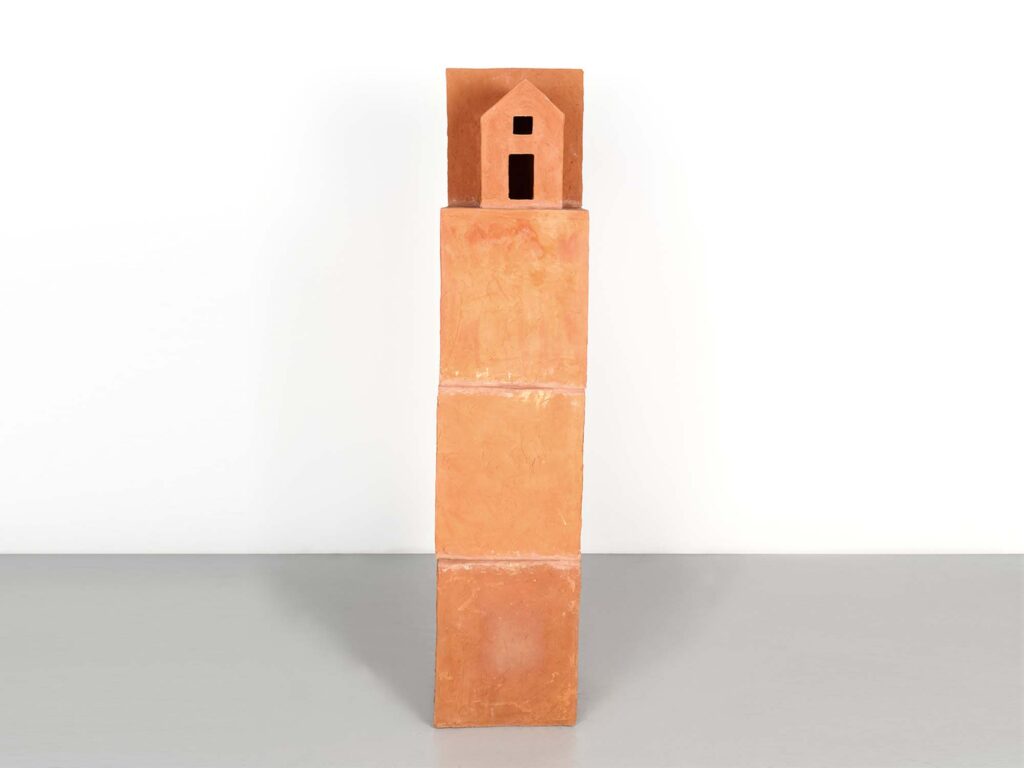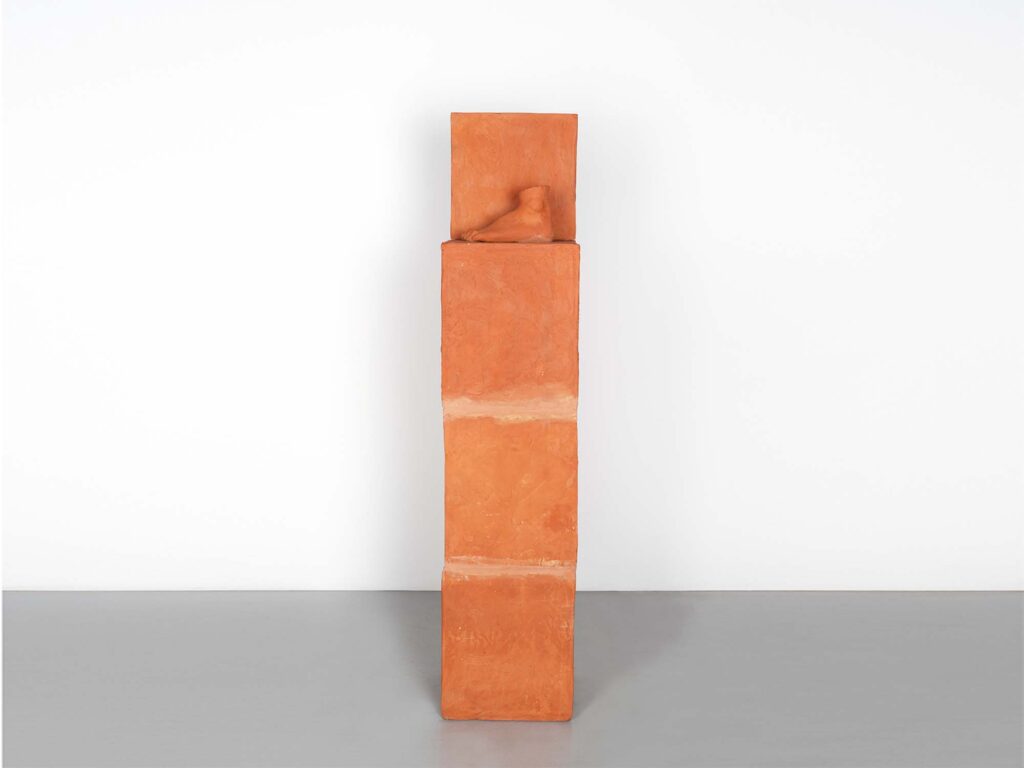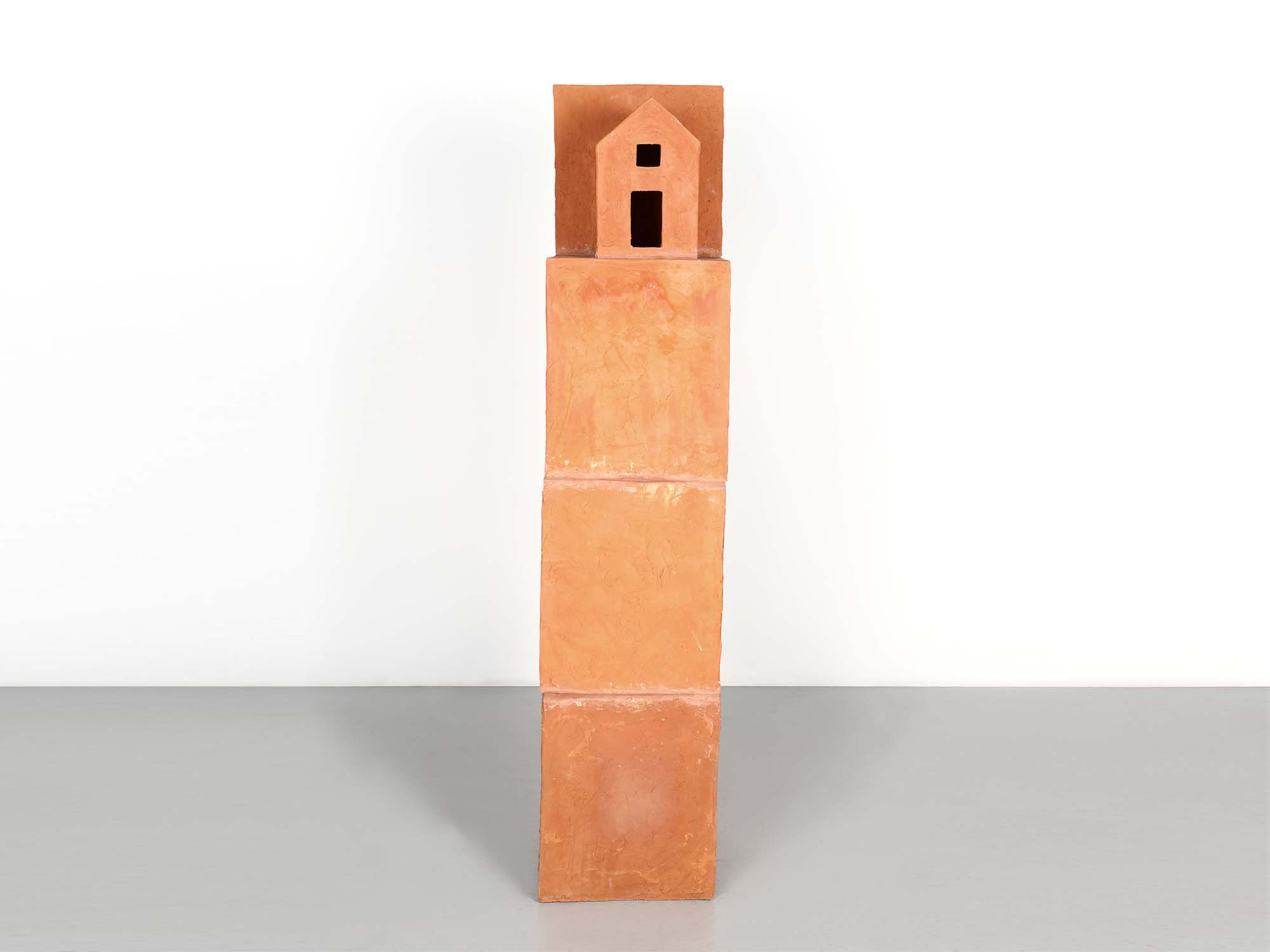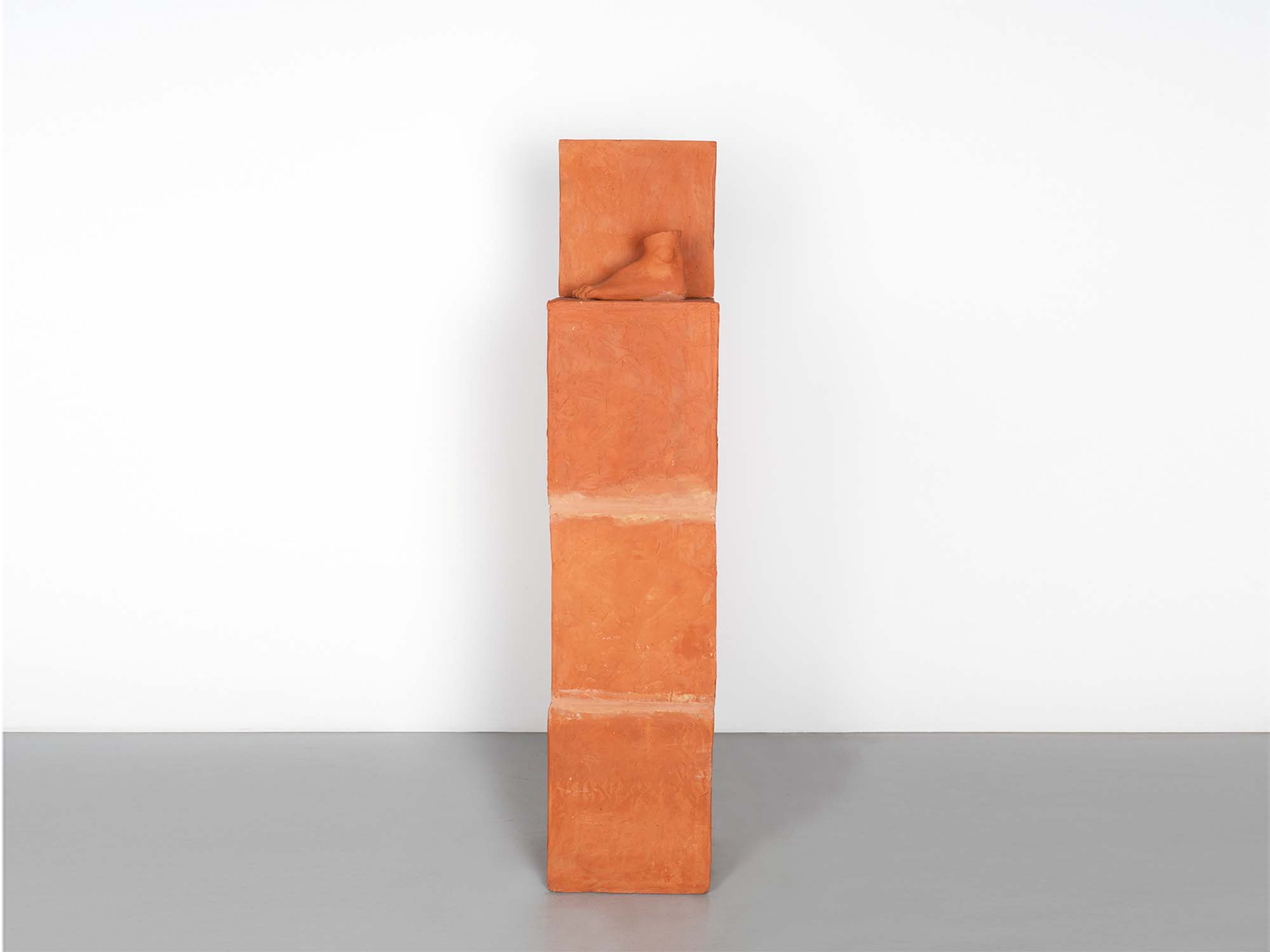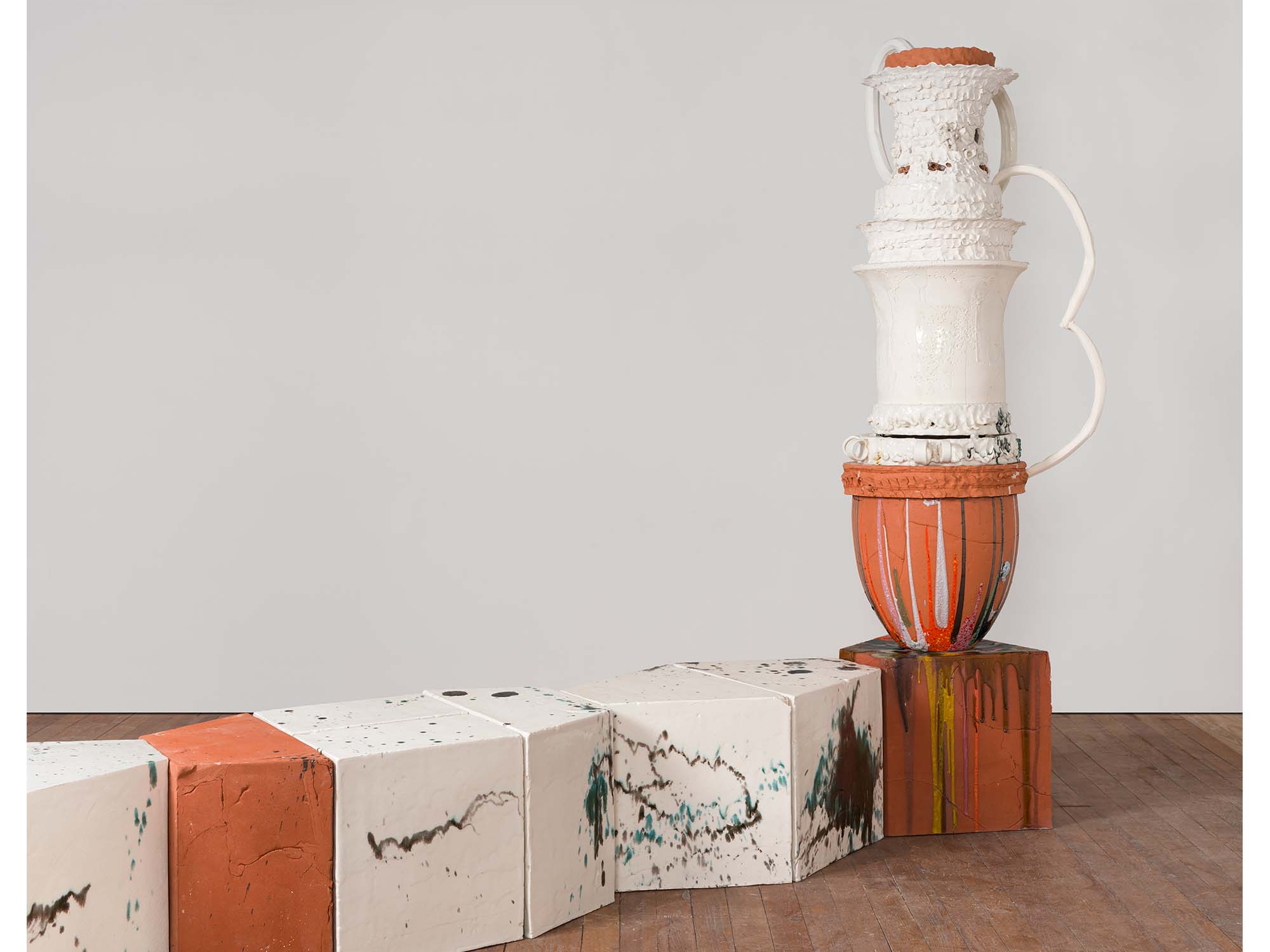
The Fondation Cartier pour l’art contemporain and the Triennale di Milano present a major monographic exhibition dedicated to Andrea Branzi—a central figure in Italian design and project-based thinking between the last century and the present—through the perspective of Pritzker Prize laureate Toyo Ito, a longtime friend and collaborator of Branzi. The exhibition unfolds as a dialogue among installations, objects, drawings, and photographs, highlighting the key themes of Branzi’s research. It also retraces Branzi’s deep connection with both institutions: on one side, his role at Triennale as designer, theorist, and curator between 1973 and 2022; on the other, the environments created for Open Enclosures, the exhibition held at Fondation Cartier in 2008. A biographical section guides visitors from his early radical experiments with Archizoom, through Alchimia and Memphis, to the development of his anthropological approach to design. A large site-specific installation is dedicated to No Stop City (1969–1972), the project that crystallized his critique of the modern metropolis.
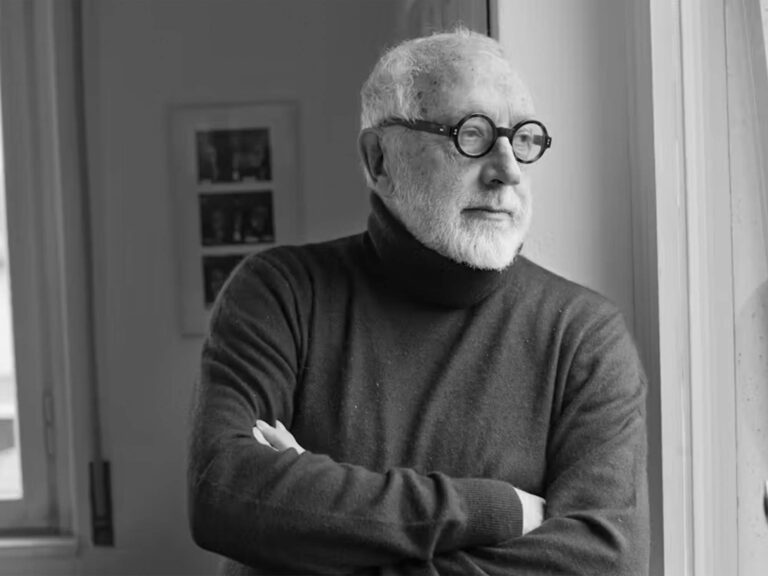
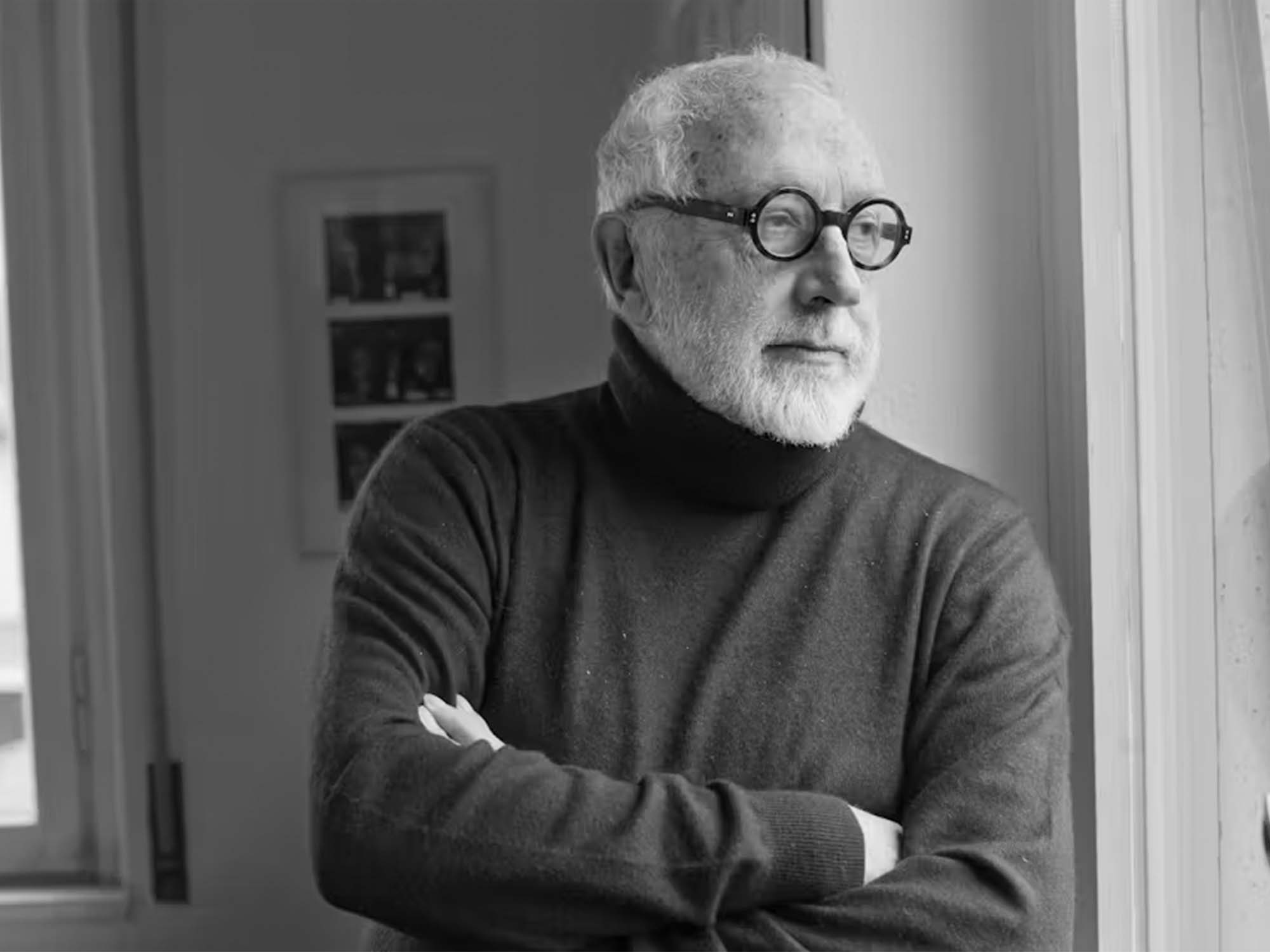
Portrait photo by Emanuele Zamponi.
About Andrea Branzi
Seminal Italian architect, designer and educator Andrea Branzi held a lifelong fascination with how humans interact with objects, and sought to reconcile design and architecture with the evolving challenges of contemporary society. As a leading theorist, Branzi contributed an analytical and academic approach to the discipline.
Born in Florence in 1938, Branzi studied at the Florence School of Architecture, receiving his degree in 1966. From 1964 to 1974, he was a founding member of the experimental group Archizoom, which envisioned the groundbreaking No-Stop-City among other projects. Branzi was a key member of Studio Alchimia, founded in 1976, and went on to associate with the Memphis Group in the early 1980s.
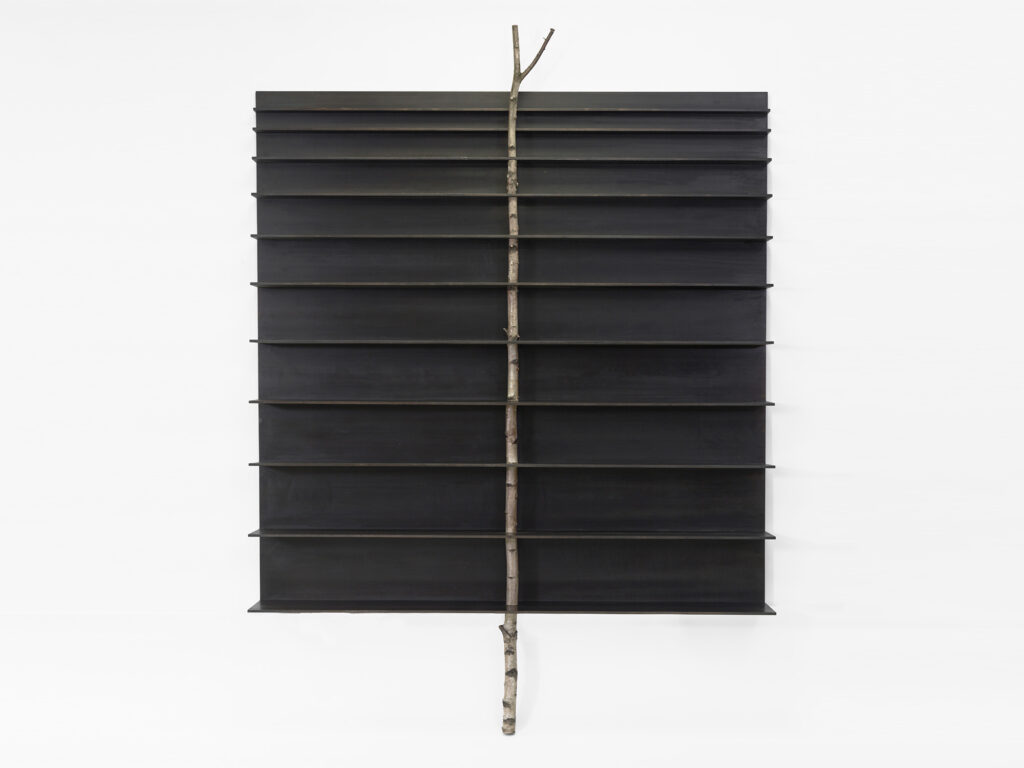
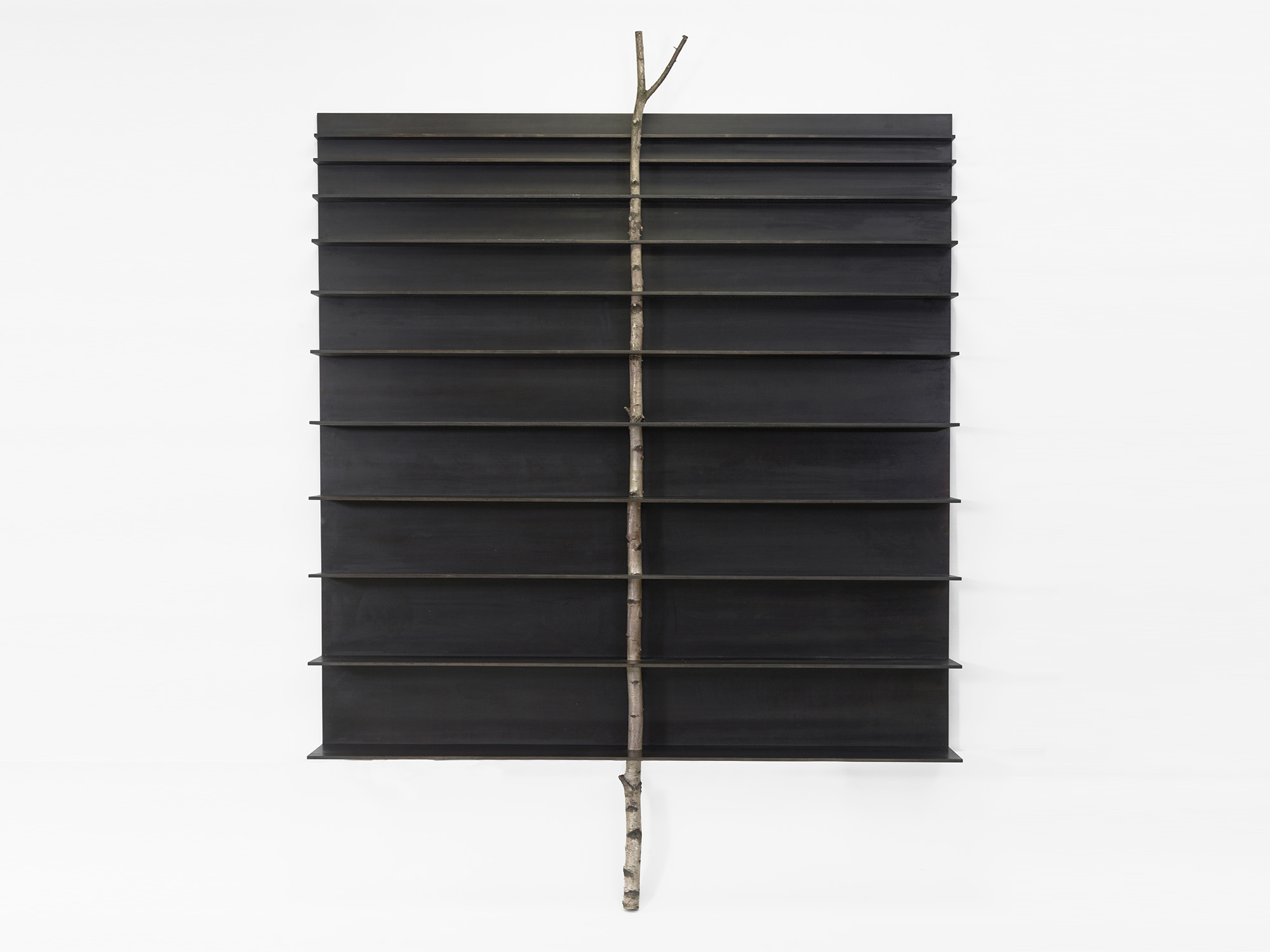
In the 1980s, Branzi turned away from the prevailing, highly-stylized aesthetic of postmodern design. The key expression of this new direction was his seminal Animali Domestici (1985-1986) series, which featured rectilinear forms intersected by unfinished logs, sticks, and wood offcuts, in an attempt to bring the artificial and natural into equilibrium.
Branzi distinguished himself as a co-founder of Domus Academy, the first international post-graduate school for design, and was a professor and chairman of the School of Interior Design at the Politecnico di Milano until 2009. He was a three-time recipient of the Compasso d’Oro, honored for individual or group effort in 1979, 1987, and 1995. In 2008, Branzi was named an Honorary Royal Designer in the United Kingdom and he received an honorary degree from La Sapienza in Rome. That same year, his work was featured in an installation at the Fondation Cartier, Paris. In 2018, Branzi was the recipient of the prestigious Rolf Schock Prize in Visual Arts by the Swedish Royal Academy of Fine Arts.
Branzi’s works are held in the permanent collections of the Centre Georges Pompidou, Paris, France; Centro Studi e Archivio della Comunicazione dell’Università di Parma, Italy; Cooper Hewitt, Smithsonian Design Museum, USA; Fondation Cartier pour l’art contemporain, Paris, France; Le Fonds Régional d’art contemporain (FRAC), Orleans, France; Design Museum Gent, Belgium; Metropolitan Museum of Art, USA; Museum Boijmans Van Beuningen, Rotterdam, The Netherlands; Musée des Arts décoratifs, Paris, France; Musée des Beaux-Arts, Montreal, Canada; Museo del Design Italiano, Triennale di Milano, Italy; Museum of Fine Arts, Houston, USA; Museum of Modern Art, USA; Stedelijk Museum, Amsterdam, The Netherlands; Victoria & Albert Museum, London, UK; Vitra Design Museum, Weil-am-Rhein, Germany amongst others.
Andrea Branzi passed away in October 2023.