By Geoffrey Montes
September 24, 2026
Today’s fast-growing collectible design movement owes much to Wendell Castle, the groundbreaking American furniture maker whose bold creations combined artistry and inventive craftsmanship. And now, anyone can have the chance to experience his own home.
Born in 1932, Castle grew up in Kansas before moving to the Rochester area, where he pioneered his own woodworking technique known as stack lamination. Starting in the early 1960s, Castle and his wife, ceramic artist Nancy Jurs, transformed an erstwhile soy mill in Scottsville, New York, into their home and studio. It was here that the couple raised their daughter Alison Castle amid an array of Surrealist-inflected furnishings. They fashioned everything themselves, even down to the cutlery.
In 1973, the pair invited House Beautiful magazine to document this creative haven, a laboratory of sorts where Castle experimented with elegant timbers like mahogany, rosewood, and teak as well as bronze, molded plastic, and fiberglass. The six-page spread showcased a loft without walls packed with radically inventive decor that defied easy categorization.
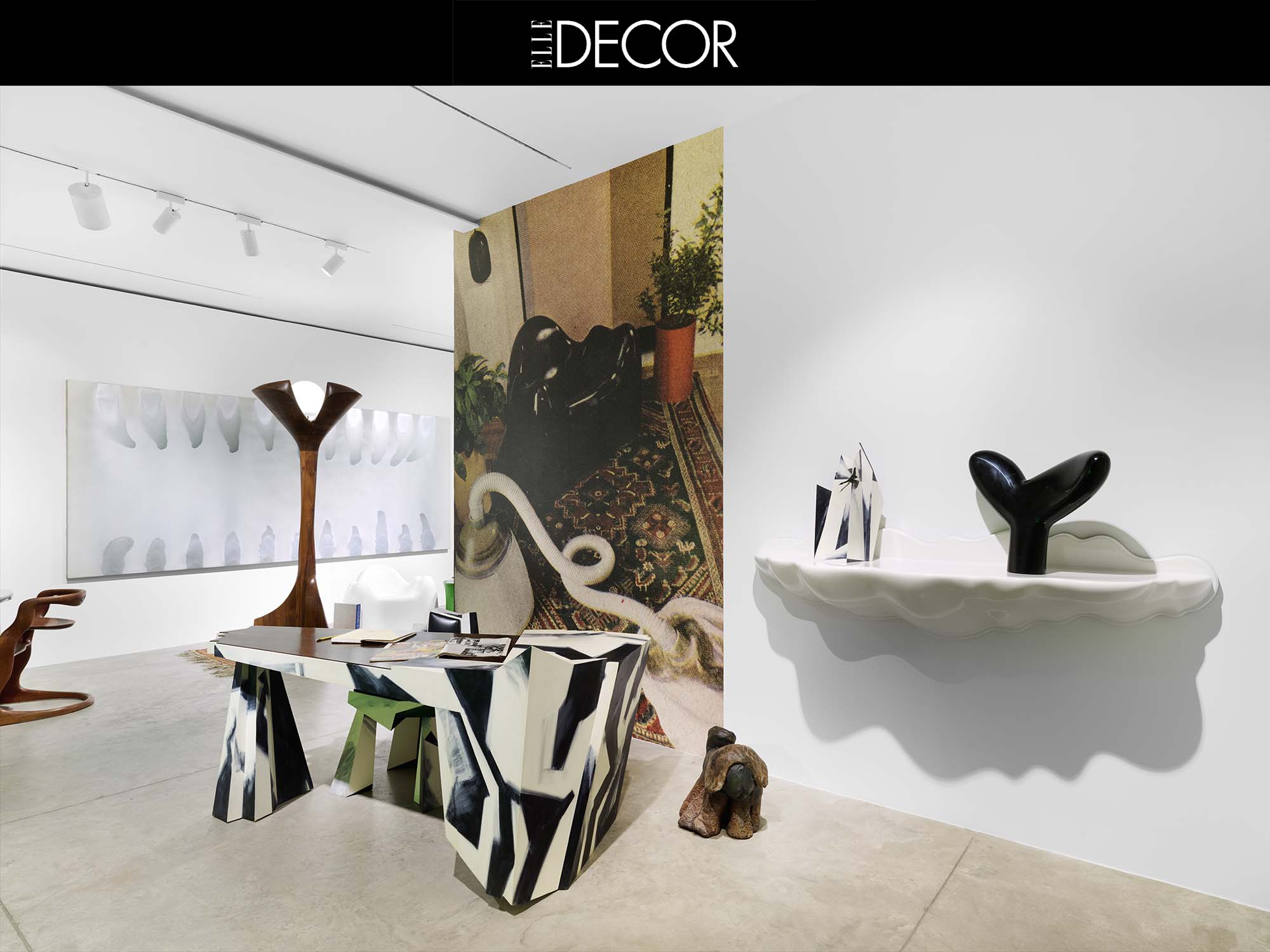
Now, eight years after Castle’s death, New York gallery Friedman Benda has recreated elements of those interiors for its latest exhibition, “Wendell Castle: Living.” Curated by Alison herself, the show uses the House Beautiful story as a literal backdrop, with blown-up images from the shoot plastered on the walls.
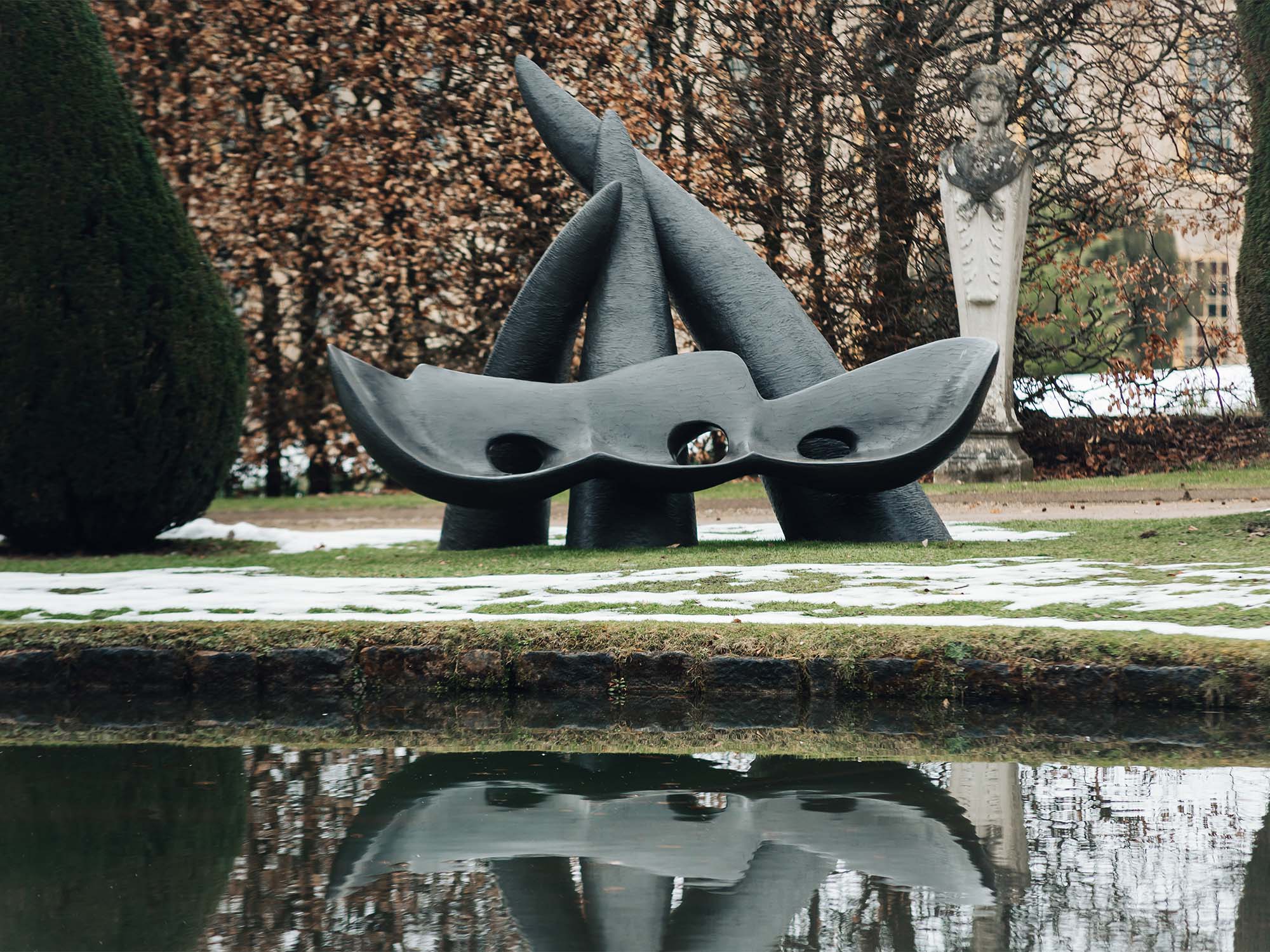
Among the works on view are some of Castle’s best-known pieces, including glossy chairs that look like molars, a sinuous floor lamp that curls upward like a cobra, and a cantilevered bench with scooped-out seats and irregular apertures. To give visitors a sense of how the Castles actually lived, the furnishings are arranged into domestic vignettes—a dining area, kitchen, living room, bed chamber, and even a music station—complete with ceramic accents by Jurs and works of art by friends of the family.
Making the show even more personal are objects from Alison’s childhood, such as a Kermit the Frog plush toy, which sits on the bed.
“Today, these works are usually seen in museums, but as furniture, they were made to be used,” Alison said in a statement. “I want visitors to experience what it’s like to live with them.”